

Founder of Ticked Bucket List (TBL)
Dr Timothy Murithi Mwiti.
Dr Mwiti is a pain specialist and anaesthesiologist, and a Lecturer in Anaesthesia at the University of Nairobi, where he also teaches pain management. He founded Ticked Bucket List to help travellers with chronic pain, fatigue or changing capacity examine the connected demands around one real trip before important choices become difficult to change.
His professional background helps shape how Ticked Bucket List (TBL) looks at the demands of a trip, including pacing, flexibility and recovery.
See what shaped the approach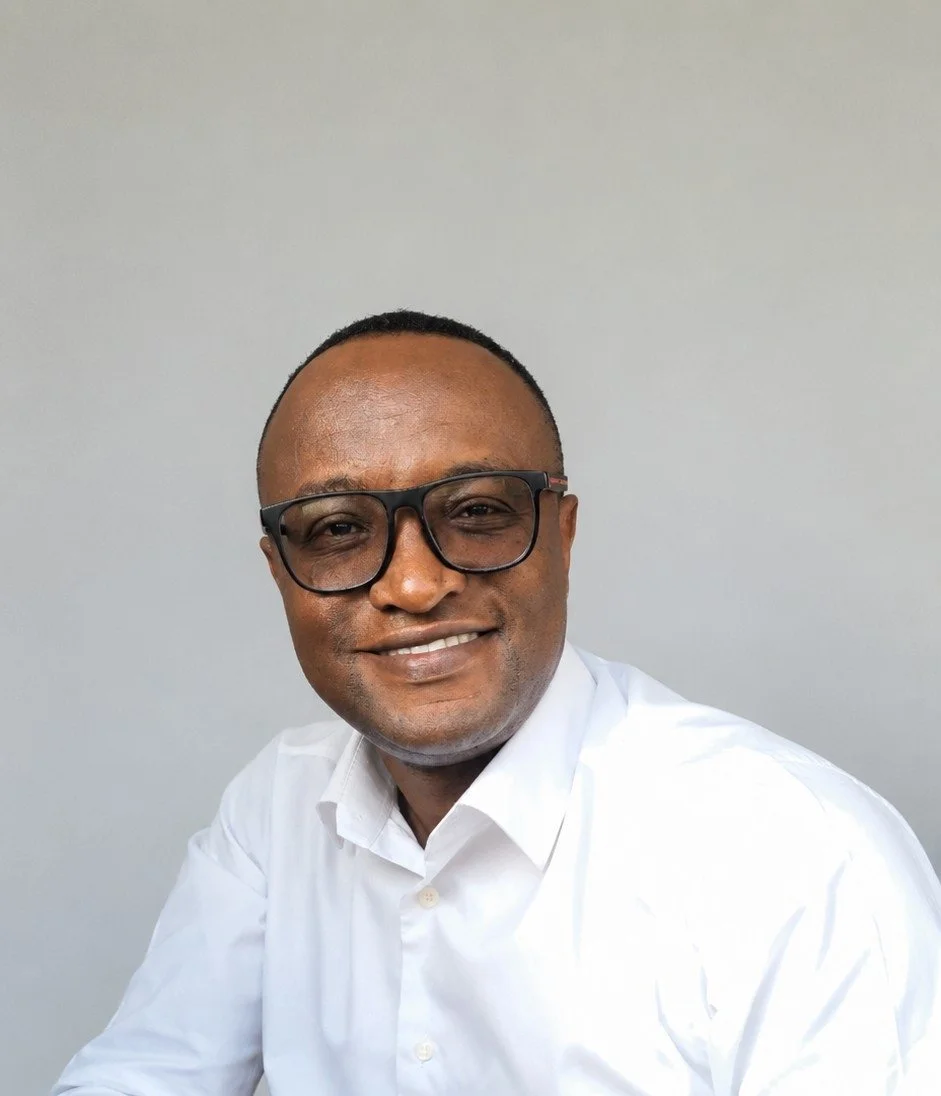
Why this background is relevant
Professional experience helped shape the questions TBL asks.
The connection is practical rather than clinical: notice demands that interact, make important choices visible, keep room to adapt, and include recovery before a plan is treated as finished.
Pain medicine
Chronic pain practice brings attention to function, changing capacity, pacing and recovery. In TBL, those ideas are used to examine the trip plan rather than assess or treat the traveller.
Anaesthesia and previous aeromedical work
These settings require preparation, sequencing, attention to transfers and contingency planning. TBL applies that process discipline to travel logistics, not to medical decision-making.
Teaching and pain education
Clinical education reinforces the value of short, structured questions, clear priorities and information that remains usable when attention or energy is limited.
Ticked Bucket List provides travel-planning education and decision support. It does not provide diagnosis, treatment, prescribing, medication changes, medical clearance, an individual fitness-to-travel decision or emergency care.
Using TBL does not create a doctor-patient relationship with Dr Mwiti and does not replace advice from the traveller’s own clinician.
Founder profile reviewed by Ticked Bucket List. Last reviewed .
See how this background is translated into travel-planning reasoning.
The Trip Fit Method shows how TBL examines the demands of a trip and turns them into practical planning decisions.