

About Ticked Bucket List
Travel planning for when the parts of a trip affect each other.
Ticked Bucket List is a pain-informed travel-planning service for people whose chronic pain, fatigue, mobility, sensory needs or changing capacity can make a trip harder to judge in advance.
It helps you look at transport, accommodation, activity, pacing, recovery and backup choices together before they become fixed.
- Looks at the whole trip rather than one booking at a time
- Helps identify what to protect, simplify, verify or keep optional
- Keeps the traveller as the decision-maker
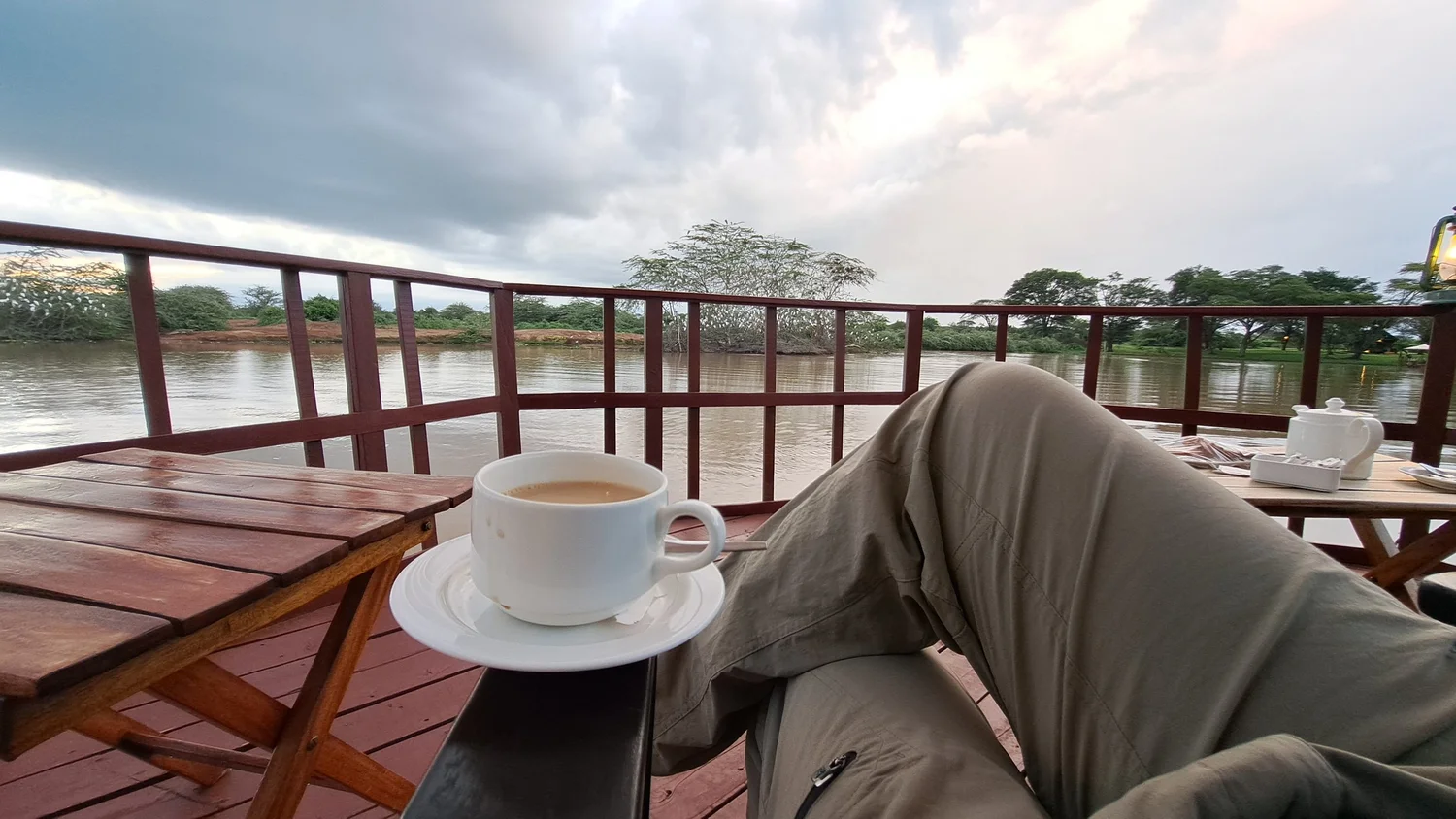
Why TBL exists
Travel information is easy to find. Bringing one real trip together is harder.
A flight, hotel, activity and return journey may each look manageable on their own. The planning problem appears when they draw on the same time, movement, recovery or flexibility.
See what matters most
Start with the purpose, event or experience that gives the trip its value.
See what is adding up
Look at transport, accommodation, movement, schedule, recovery and responsibilities together.
Make the plan easier to change
Decide what to protect, reduce, verify or keep optional before difficult parts become fixed.
The practical problem TBL addresses: ordinary travel information often explains the parts. TBL helps you judge how those parts interact in the trip you are actually planning.
What governs the approach
A few principles shape the planning work.
Capacity matters more than an ideal itinerary.
The plan should reflect what the trip may ask of you, not what a generic itinerary says can fit into a day.
Recovery belongs inside the plan.
Arrival, the return journey and the demands waiting afterwards are part of the trip, not an afterthought.
Flexibility is easier when it is planned.
Optional activities, backup transport and lower-load versions are more useful when they are decided before the difficult day arrives.
The traveller remains the decision-maker.
TBL organises the planning problem and the trade-offs. It does not decide what another adult should accept, attempt or cancel.
What TBL helps you do
Turn a complicated trip into clearer planning decisions.
Look across the whole trip
- Spot connected demands that may be easy to miss when bookings are considered separately.
- Identify where the trip has too little recovery or flexibility.
- Recognise facts that need direct confirmation before you rely on them.
Make practical choices
- Protect the part of the trip that matters most.
- Reduce avoidable load around it.
- Keep a lower-load version and backup choices available.

Founder
Why the professional background is relevant.
Ticked Bucket List was founded by Dr Timothy Murithi Mwiti, a pain specialist and anaesthesiologist based in Kenya. His professional background helps explain why TBL pays attention to accumulated demands, changing capacity, pacing and recovery.
The founder page contains the professional detail and external links. TBL itself remains a travel-planning service, not a medical service.
Read about the founderClear limits
Trip Fit describes the trip plan, not medical fitness to travel.
TBL provides travel-planning education and decision support. It does not replace decisions that belong to a clinician, provider or authority.
TBL can help you:
- organise travel decisions;
- identify connected pressures and recovery needs;
- decide what to protect, reduce, verify or keep optional;
- prepare clearer questions for providers or your own clinician.
TBL does not provide:
- diagnosis, treatment, prescribing or medication changes;
- medical clearance or an individual fitness-to-travel decision;
- emergency care;
- provider certification, legal or insurance advice, or full-service travel booking.
Read the full Safety & Boundaries page
Written and reviewed by Ticked Bucket List. Last reviewed .
See how TBL examines a trip.
The Trip Fit Method explains the reasoning behind the tools and planning products. If you are trying to decide where to begin instead, use Start Here.